Seattle homeowners are asking a practical question in 2026:
Is it better to renovate your current home — or move to a new one?
With limited housing inventory, higher interest rates, and rising property values, the decision is more complex than it was a few years ago.
For many homes in the $800K–$1M range, the answer depends less on emotion — and more on strategy.
The True Cost of Moving in Seattle
At first glance, moving may seem like the easier solution.
However, in today’s Seattle housing market, relocating often includes:
- Higher mortgage interest rates than existing loans
- 2–5% in closing costs
- Increased property taxes
- Moving and transition expenses
- Competitive bidding situations
Across many Seattle neighborhoods, upgrading to a slightly newer or larger home can mean increasing your purchase price by $150K–$300K or more.
For homeowners who secured lower rates in previous years, that shift alone can significantly change long-term financial outcomes.
When Renovation Makes Strategic Sense
Renovating allows homeowners to improve function and value — without re-entering the market.
In many of the Seattle homes we review, the core structure and location already hold strong long-term value. The challenges are often layout inefficiencies, outdated finishes, or lack of natural light.
Targeted upgrades such as:
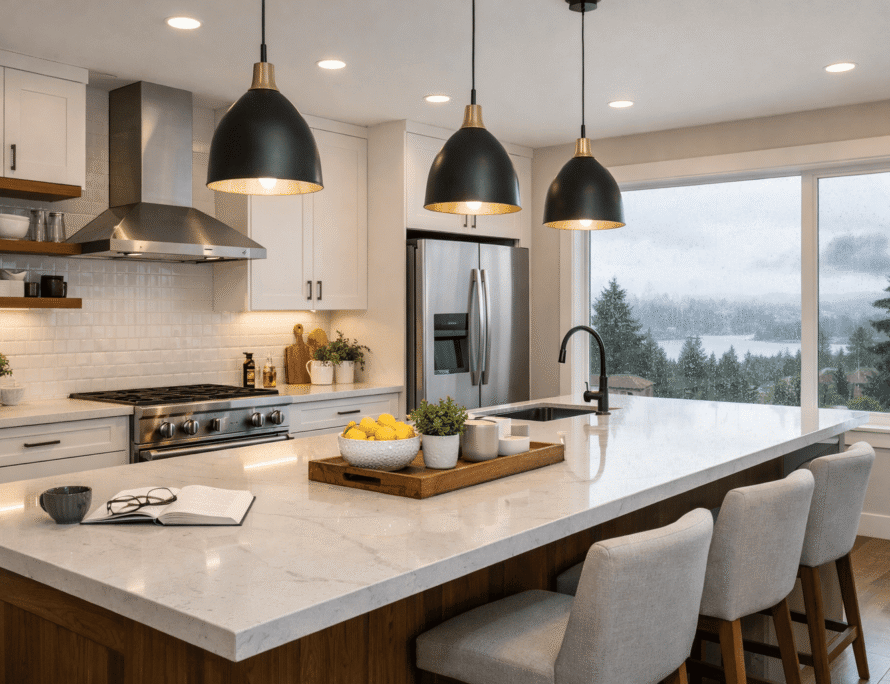
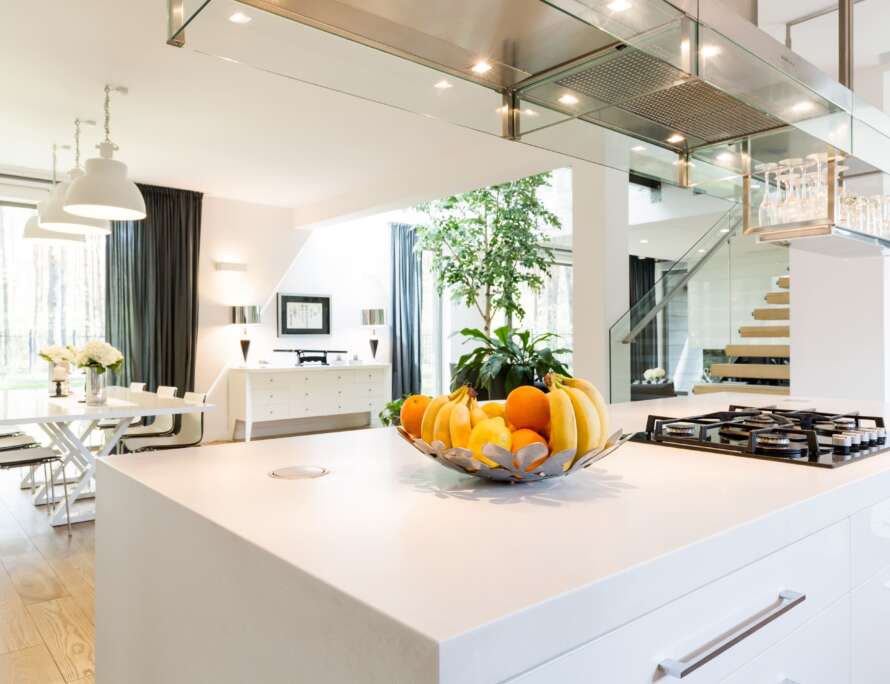
- Kitchen modernization
- Bathroom improvements
- Opening key living areas
- Enhancing indoor-outdoor flow
- Improving energy efficiency
can substantially improve daily comfort while strengthening resale appeal.
For properties valued between $800K–$1M, thoughtful renovations often provide more controlled investment outcomes than market-driven home purchases.
Financial Comparison: Renovation vs Moving in Seattle
While every situation differs, the comparison typically looks like this:
Moving Often Involves:
- Higher long-term mortgage costs
- Market-driven purchase pricing
- Transaction expenses
- Less control over customization
Renovation Typically Offers:
- Defined project scope
- Phased investment flexibility
- Increased equity potential
- Custom solutions tailored to your lifestyle
The key difference is predictability.
Renovation allows for detailed planning before major financial commitments are made.
Market Positioning Matters
One common pattern across Seattle neighborhoods:
Homes that align with local buyer expectations perform best.
That does not necessarily mean high-end luxury upgrades. It means:
- Clean, timeless design
- Modern kitchens
- Updated bathrooms
- Efficient layouts
- Energy-conscious improvements
Over-improving beyond neighborhood standards may not yield proportional return. Strategic alignment matters more than excess spending.
When Moving May Be the Right Choice
Renovation is not always the optimal path.
Relocation may make more sense if:
- Significant structural limitations prevent functional improvement
- School districts or commute requirements have changed
- Expansion needs exceed the home’s physical capacity
- Major foundational repairs outweigh renovation value
Evaluating these factors objectively helps prevent reactive decisions.
Lifestyle Considerations
Beyond numbers, many Seattle homeowners value neighborhood stability, proximity to parks, schools, and established communities.
If location remains ideal but the layout no longer supports your lifestyle, renovation can bridge that gap without sacrificing what already works.
In many cases, small structural adjustments and thoughtful upgrades produce meaningful transformation.
Frequently Asked Questions
Is it cheaper to renovate or move in Seattle?
In many scenarios, renovating is more financially predictable than purchasing a new home at current market rates. However, cost comparisons depend on scope and property value.
Does remodeling increase home value in Seattle?
Strategic upgrades — especially kitchens, bathrooms, and energy-efficient improvements — often enhance resale competitiveness.
How do I know if my home is worth renovating?
If the structure, location, and neighborhood demand remain strong, renovation may provide long-term value. A property-specific evaluation clarifies this.
Is 2026 a good time to renovate in Seattle?
With continued housing competition and interest rate shifts, many homeowners are choosing renovation as a controlled alternative to moving.
Planning Your Next Step
Before making a major housing decision, it helps to evaluate your home’s layout, condition, and neighborhood standards objectively.
In many Seattle properties, small structural changes or focused upgrades create significant improvement without the financial shift of relocation.
A clear planning discussion can help determine whether renovation or moving aligns better with your long-term goals.
📍 Serving Seattle & surrounding areas
📞 425-624-4242