A fall home renovation checklist is the best way to get your Bellevue home ready for the wet season — and to line up the bigger projects you want finished next year. In the Pacific Northwest, the months between September and November are the last reliable window for exterior repairs before steady rain, and the ideal time to plan interior remodels that can run straight through winter.
This checklist covers what to inspect and fix before winter, which renovation projects fit the colder months, and how to schedule a spring remodel so it actually starts on time.
- Why Fall Is the Right Time to Plan
- Fall Home Renovation Checklist: Exterior Before the Rain
- Fall Home Renovation Checklist: Moisture and Crawlspace
- Fall Home Renovation Checklist: Heating, Plumbing and Electrical
- Interior Projects That Fit Fall and Winter
- Fall Home Renovation Timeline
- Plan Now for a Spring Remodel
- FAQs

Why Fall Is the Right Time to Plan
- Last dry window for exterior work: roofing, siding, gutters, painting, and sealing all need dry days, which become scarce once the rainy season settles in.
- Interior work runs well in winter: kitchens, bathrooms, and whole-home remodels happen indoors and aren’t slowed by weather.
- Design and permits take time: starting design in fall means permits and long-lead materials are ready for a late-winter or spring start. Our full house remodel timeline guide shows how long each phase takes.
- Better scheduling: contractors often have more flexibility for winter interior projects than for the spring rush.
Fall Home Renovation Checklist: Exterior Before the Rain
- Clean gutters and downspouts, and make sure water drains away from the foundation.
- Inspect the roof for missing shingles, moss, and damaged flashing — moss is a common Northwest problem.
- Check siding and trim for gaps, peeling paint, or soft spots that let water in.
- Re-caulk around windows and exterior doors, and replace worn weatherstripping.
- Seal or stain decks and fences while there are still dry days.
- Trim branches away from the roof and gutters before winter windstorms.
- Shut off and drain exterior hose bibs, and disconnect hoses before the first freeze.
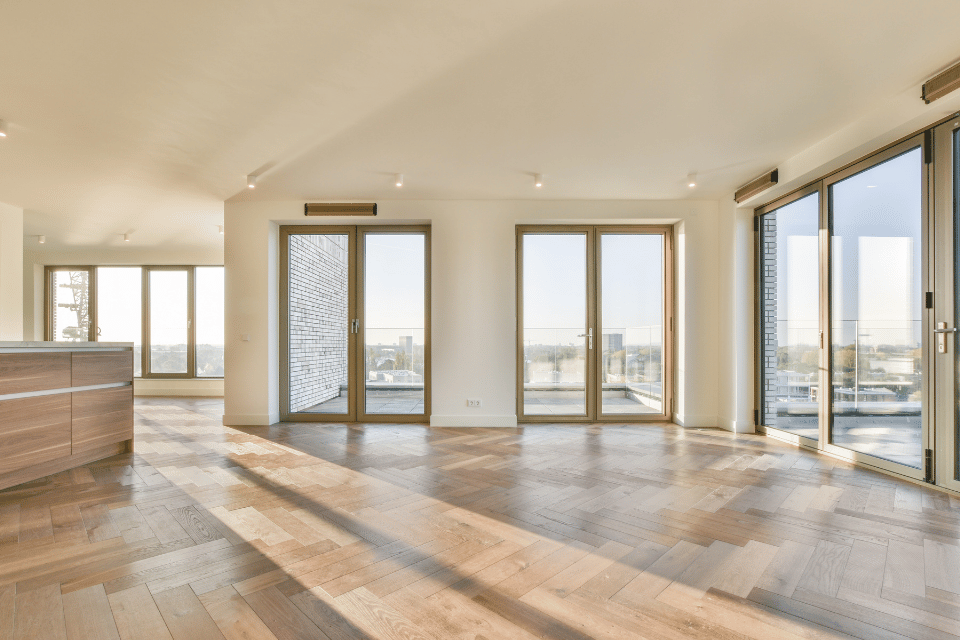
Drafty windows are one of the biggest sources of winter heat loss. Beyond caulking and weatherstripping, insulating window treatments such as cellular shades help keep rooms warmer — see our guide to blackout vs. light-filtering window treatments. The U.S. Department of Energy also has practical guidance on air sealing and weatherstripping.
Fall Home Renovation Checklist: Moisture and Crawlspace
Moisture, not cold, is the main winter threat to Eastside homes. Before the rain arrives:
- Check crawlspaces for standing water, damaged vapor barriers, or musty smells.
- Make sure crawlspace and attic vents aren’t blocked.
- Test bathroom and kitchen exhaust fans — they should vent outside, not into the attic.
- Look for signs of past leaks under sinks, around toilets, and at the base of showers.
- Plan to keep indoor humidity in a healthy range through winter; our Pacific Northwest flooring guide explains why this protects floors too.
Fall Home Renovation Checklist: Heating, Plumbing and Electrical
- Schedule a furnace or heat pump service and replace HVAC filters.
- Test smoke and carbon monoxide detectors and replace batteries.
- Insulate exposed pipes in garages, crawlspaces, and exterior walls.
- Flush the water heater and check the pressure relief valve.
- Locate the main water shutoff so everyone in the house knows where it is.
- Have an electrician look at flickering lights, warm outlets, or tripping breakers before holiday loads increase.
Interior Projects That Fit Fall and Winter
Once the exterior is buttoned up, fall and winter are ideal for indoor renovations:
- Kitchen remodels: start design in fall for a winter build — see our kitchen remodel timeline and kitchen remodeling services.
- Bathroom remodels: a great winter project; check our bathroom remodel cost guide.
- Flooring: indoor installs aren’t affected by rain, as long as materials acclimate properly — see our flooring installation cost guide.
- Closets and storage: a quick upgrade before holiday guests — browse our walk-in closet ideas.
- Whole-home remodels: plan the scope now using our whole house remodel checklist.
Fall Home Renovation Timeline
| When | What to do |
|---|---|
| September | Exterior inspection, gutters, roof, and painting while it’s still dry |
| October | Seal windows and doors, service heating, winterize hose bibs and irrigation |
| November | Check crawlspace and moisture, start design meetings for next year’s remodel |
| December–January | Finalize selections and submit permits for spring projects |
| February–March | Order long-lead materials so construction can start on schedule |

Plan Now for a Spring Remodel
Spring is the busiest season for remodeling in Bellevue and Kirkland. Planning ahead? See the full house remodel trends for 2027. Homeowners who start design and permitting in fall are the ones whose projects actually begin in spring. Larger projects that move walls or change systems will need permits — our guide to remodeling permits in Bellevue explains what to expect. The National Association of the Remodeling Industry (NARI) also recommends verifying contractor credentials before signing.
Renovation WA helps homeowners across Bellevue — including Wilburton and Factoria — and throughout Kirkland plan and build their remodels, with every project backed by our 100% on-schedule guarantee.
Fall Home Renovation Checklist FAQs
Is fall a good time to remodel in the Pacific Northwest?
Yes, for interior projects. Exterior work should be finished before the rainy season, but kitchens, bathrooms, and whole-home remodels can run through winter without weather delays.
What should be on a fall home maintenance checklist?
Clean gutters, inspect the roof, seal windows and doors, service your heating system, winterize outdoor faucets, check the crawlspace for moisture, and test smoke and CO detectors.
When should I start planning a spring remodel?
Start in fall. Design, selections, permits, and ordering long-lead materials often take several months, so fall planning keeps a spring start realistic.
Can you renovate a bathroom or kitchen in winter?
Absolutely. Interior remodels are well suited to winter, and scheduling can be more flexible than during the spring and summer rush.
Ready to plan next year’s project? Book a free consultation with our Bellevue team this fall.